
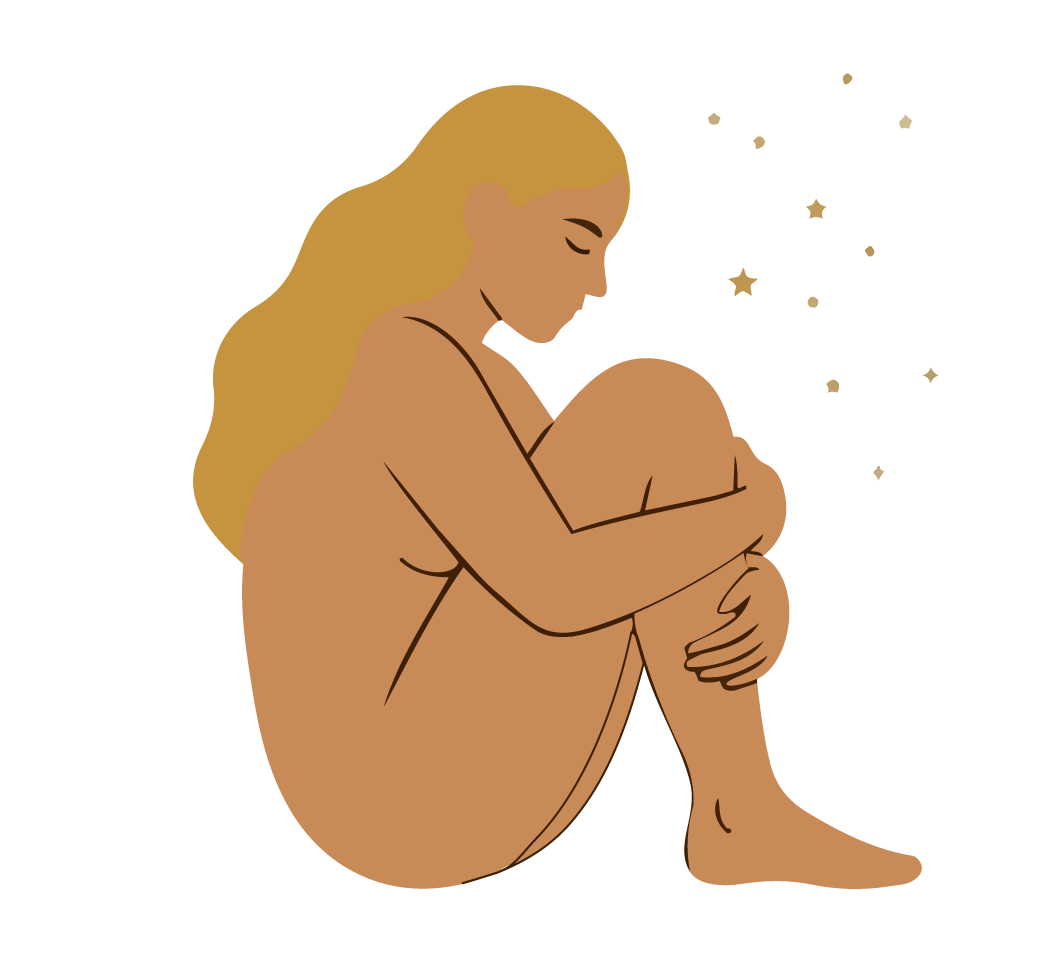
The body is the living condition through which human beings perceive, feel, act, relate, desire, suffer, heal, age, create, and make meaning. It is anatomy, yes. It is also memory, gesture, posture, vulnerability, pleasure, fatigue, skill, image, history, and world-contact.
Not just object, not just image
Modern culture often turns the body into an object to manage: measure it, dress it, sell it, improve it, diagnose it, compare it, photograph it, discipline it, optimize it. The body becomes a project, a brand, a problem, a symbol, a site of shame or display.
But before the body is looked at, it is lived. You reach, breathe, flinch, hunger, blush, tremble, dance, digest, sleep, touch, and orient. You do not encounter the world from nowhere. You encounter it from here.
In brief
- The body is both biological organism and lived subject.
- It differs from body image, which is the body as imagined, evaluated, or socially reflected.
- It is central to embodiment, sensation, perception, intimacy, pleasure, pain, and consent.
- It is shaped by culture, power, medicine, gender, race, disability, age, labor, trauma, and care.
The lived body
Phenomenology gave language to what ordinary life already knows: the body is not simply one thing among things. It is the perspective from which things appear. The hand that touches is also the hand that can be touched. The body is both subject and object, perceiver and perceived.
This double nature matters. A person can feel alive in the body and also feel watched. A person can trust the body and also suffer pain. A person can love the body and still be affected by social standards. A serious sensual field must hold all of this without turning the body into either shrine or machine.
The body and power
Bodies are not treated equally. Some bodies are protected. Some are policed. Some are eroticized. Some are medicalized. Some are ignored. Some are made to labor invisibly. Some are told they are too much; others that they are not enough.
This means body work is never only private. To recover bodily dignity is also to ask what kind of world teaches people to leave their bodies in the first place.
The Sensual Institute perspective
The Sensual Institute treats the body as a site of perception, dignity, and participation. The goal is not body worship. The goal is truthful relation: enough awareness to listen, enough agency to choose, enough care to repair, and enough freedom to live as more than an image.
Related entries
embodiment, body-awareness, body-image, touch, pain, consent, skin, disability-and-sensuality, ageing-and-sensuality, sensuality.
Within the Sensuality Taxonomy: This entry forms part of the Sensual Encyclopedia. See the foundational definition of sensuality and the Sensuality Taxonomy for its wider conceptual context.
Within the Sensuality Taxonomy: This entry forms part of the Sensual Encyclopedia. See the foundational definition of sensuality and the Sensuality Taxonomy for its wider conceptual context.
Within the Sensuality Taxonomy: This entry forms part of the Sensual Encyclopedia. See the foundational definition of sensuality and the Sensuality Taxonomy for its wider conceptual context.