
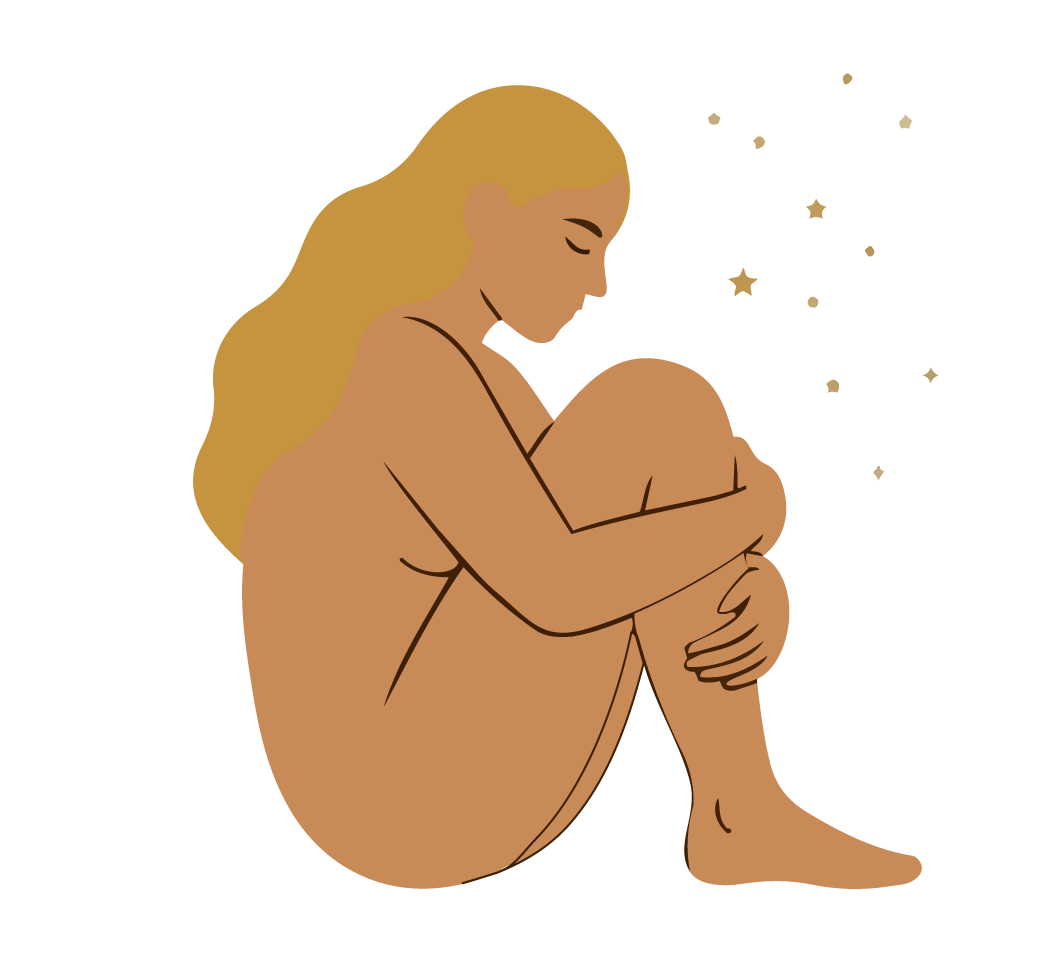
Pain is an unpleasant sensory and emotional experience associated with, or resembling that associated with, actual or potential tissue damage. That wording follows the International Association for the Study of Pain’s revised definition. It matters because pain is not just tissue information. It is experience.
The body says something is wrong
Pain can protect life. It can make a hand leave the flame, a foot avoid pressure, a body rest after injury. But pain can also persist, spread, confuse, exhaust, isolate, and become part of identity. It is one of the places where the boundary between body, mind, feeling, and world becomes impossible to keep tidy.
Not all pain means damage. Not all damage is felt as pain. Nociception refers to neural processes for detecting potentially harmful stimuli; pain is the lived experience. The distinction prevents both dismissal and oversimplification.
In brief
- Pain is sensory and emotional, not merely mechanical.
- It differs from nociception, which concerns nervous-system detection of potentially harmful stimuli.
- It is shaped by tissue state, nervous-system processing, attention, memory, culture, fear, context, and care.
- In sensuality, pain matters because a field of aliveness must include limits, suffering, protection, and repair.
Pain and meaning
Pain demands interpretation. Is this danger, healing, strain, illness, grief, fear, memory, exertion, warning, punishment, or mystery? A clinician may assess mechanisms. A person must also live the meaning.
This is why pain is ethically charged. To dismiss pain is to abandon the person inside it. To romanticize pain is also dangerous. Pain can teach, yes, but it does not need to be made noble in order to be real.
Pain and sensuality
At first, pain may seem outside sensuality. But sensuality is not only pleasure. It is the capacity to feel life through the body. Pain reveals boundary, vulnerability, finitude, need, and care. It can narrow perception until the whole world becomes the ache. It can also clarify what matters.
A serious sensual encyclopedia must include pain so that pleasure does not become shallow and embodiment does not become fantasy.
The Sensual Institute perspective
The Sensual Institute treats pain with humility. Educational content can help readers understand pain as experience, but it is not diagnosis or treatment. Pain asks for attention, context, care, and, when needed, professional support. The sensual task is not to glorify pain. It is to listen without abandoning the body.
Related entries
touch, temperature, body-awareness, comfort, trauma-and-the-senses, care, rest, sensuality.