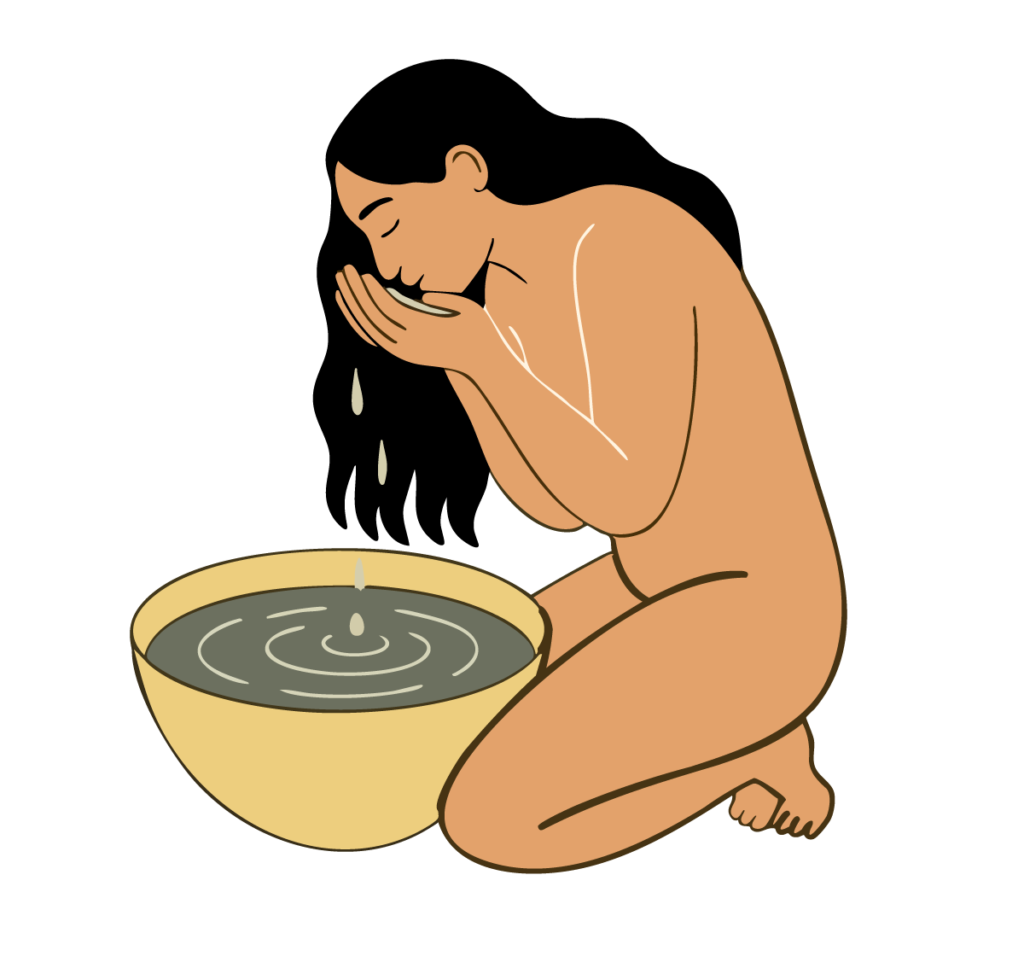
Body, Senses & Embodiment

Explore the lived body, the senses, perception, attention, movement, and embodied ways of knowing that shape sensual experience.


Sensory Overload

Sensory overload is not a failure to appreciate sensation. It is an experience in which sensory demands exceed the capacity available to process, filter, or respond.

Taste

Taste is not simply a list of flavors arriving on the tongue. It is a living meeting between chemical sensing, smell, texture, temperature, memory, appetite, culture, and choice.

Sensory Trust

Sensory trust is neither blind faith in every sensation nor suspicion of the body. It is the practice of listening, checking, and responding to embodied information with care.

Perception

Perception is not passive reception. It is the living process by which sensation becomes a world one can move through, care about, fear, desire, and understand.

Body Image

Body image is not only what a person thinks they look like. It includes perception, feeling, attention, behavior, social judgment, and the possibility of inhabiting the body beyond appearance.

Sensual Ambiguity

Sensual ambiguity gives experience room to remain unfinished. It supports curiosity and imagination while requiring discernment, communication, and respect for consent.

Touch

Touch is the sense that meets the world at the boundary of the body. It is contact, information, comfort, risk, intimacy, and ethics at once.

Ecology

Ecology is the study and felt recognition of relationships among living beings and their environments. It widens sensuality from private experience toward interdependence, reciprocity, and responsibility.

Sensual Contrast

Contrast makes sensation legible. Warmth is felt beside coolness, silence beside sound, stillness beside movement, and anticipation beside arrival. Sensual contrast can deepen attention without requiring excess.

Skin

Skin is not only surface. It is boundary, contact, protection, sensation, memory, vulnerability, and one of the places culture writes on the body.

Do you prefer to listen?

If you prefer to listen, many of these themes are also explored through voice in the Sensual Institute podcast, where spoken reflections and audio transmissions offer another way to meet the material.

Reading engages the mind; listening allows the body to receive the same ideas through a different channel.

Both belong to the same body of work.

They simply meet you differently