
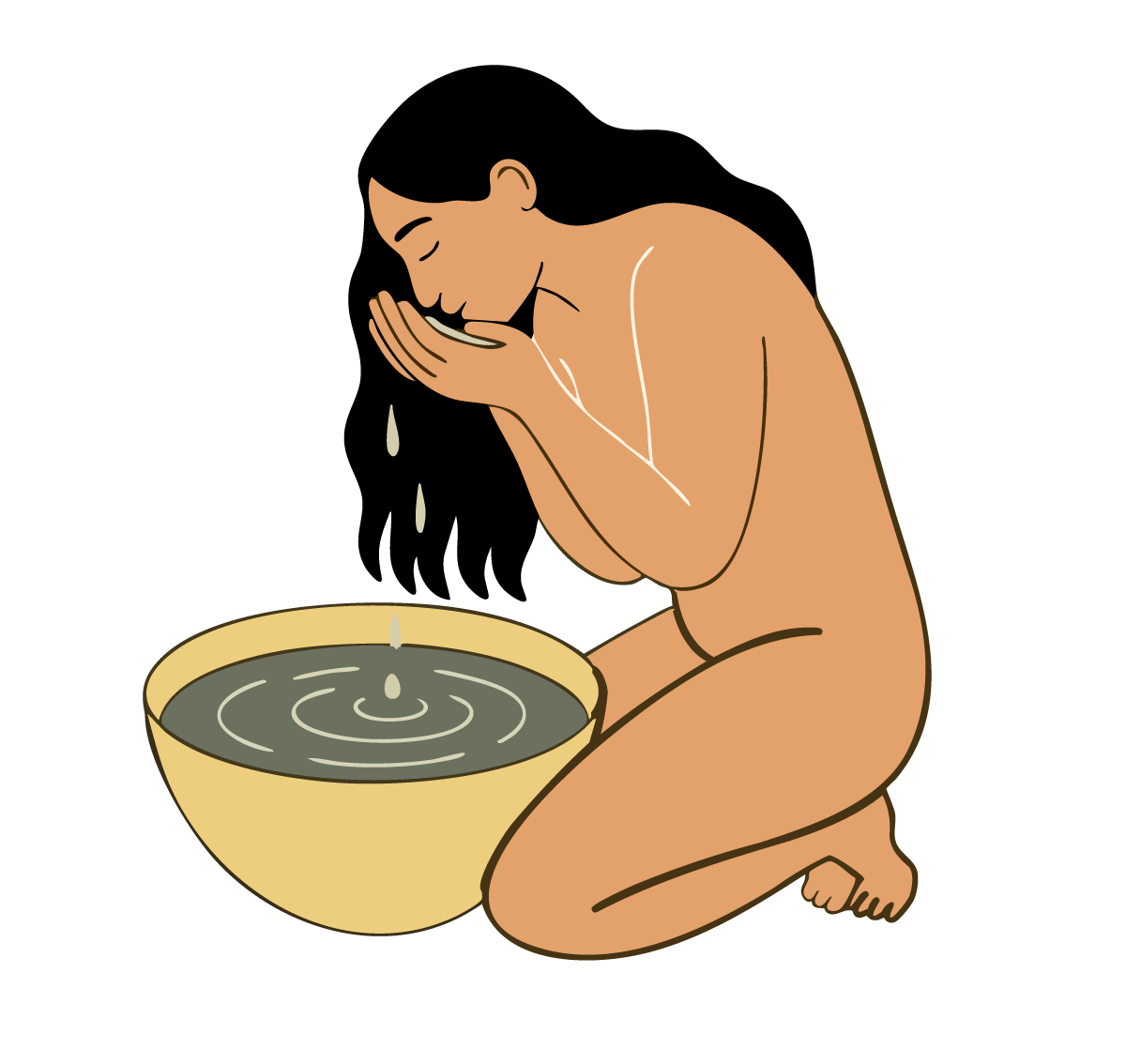
Texture is the felt or perceived surface quality of things: rough, smooth, soft, grainy, slick, brittle, warm, porous, ridged, velvety, sticky, crisp, worn, polished, fibrous, resistant. Texture is the grain of the world.
Surfaces speak
Texture is often treated as detail. The main thing is the object; texture is the finish. But lived experience says otherwise. Texture can decide whether a chair invites rest, whether a fabric feels intimate, whether food satisfies, whether a sculpture wants to be touched, whether a room feels sterile or alive.
A smooth stone in the hand. Linen against skin. The crust of bread. Sand under bare feet. Old wood under a palm. A synthetic surface that looks rich and feels empty. Texture carries meaning before language arrives.
In brief
- Texture is a tactile and often multisensory quality of surfaces and materials.
- It is perceived through touch, sight, movement, sound, and memory.
- It matters in art, design, clothing, food, architecture, craft, sexuality, and everyday comfort.
- In sensuality, texture slows perception and returns attention to material reality.
Texture is multisensory
Touch is central to texture, but not alone. We can often see texture before touching it. We hear texture in the crackle of crust, the drag of fabric, the scrape of a chair. We anticipate texture through memory. Research on texture perception increasingly treats it as multisensory, involving touch, auditory cues, vision, and movement.
This matters because texture is not simply a property “out there.” It is a relationship between surface, body, movement, expectation, and context.
Texture and aesthetics
Texture gives art and design their material intimacy. A painting’s surface, a ceramic glaze, a woven textile, a stone wall, a printed page, a wooden table – each carries a tactile invitation even when touching is forbidden.
Modern digital life often flattens texture into image. Everything becomes seen before it is handled. Texture pushes back. It reminds the senses that the world has resistance, weight, temperature, grain, and consequence.
Texture and sensuality
Sensuality needs texture because pleasure often lives in fine distinctions. Not just fabric, but this fabric. Not just food, but crisp edge, soft center, heat, grain, melt. Not just touch, but pressure, speed, surface, temperature, rhythm, consent.
Texture teaches attention to become specific. Specificity is one of the beginnings of care.
The Sensual Institute perspective
The Sensual Institute treats texture as material truth. Texture brings the person back from abstraction into contact with the world as made, grown, worn, cooked, touched, and weathered. It asks perception to slow down enough to feel the difference.
Related entries
touch, haptics, skin, textile, food, aesthetic-experience, architecture, sensuality.