
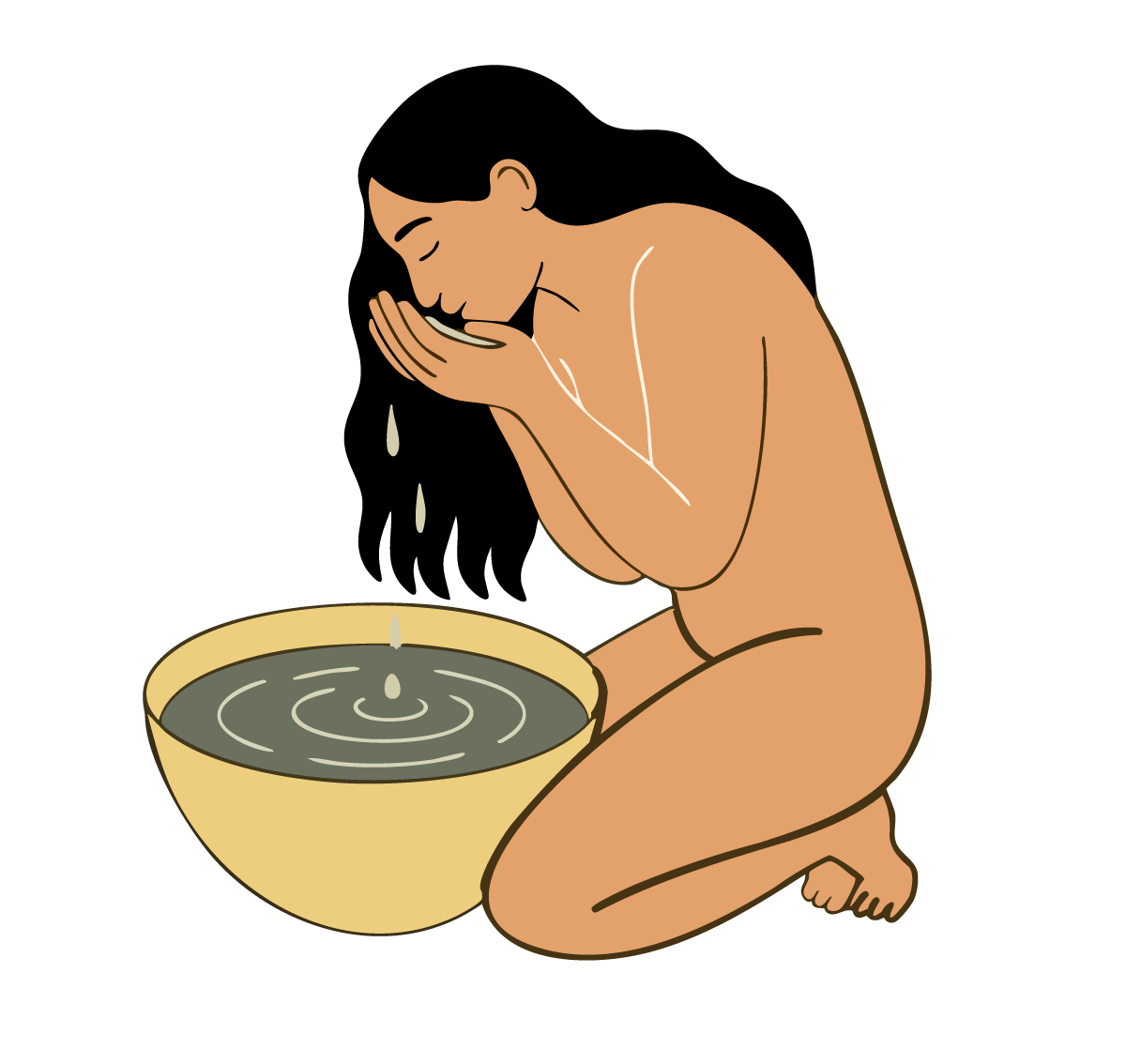
Vulnerability is the condition of being open to impact, uncertainty, need, or possible change. It can arise through love, illness, grief, creativity, dependence, learning, touch, disclosure, or simply being a body among other bodies. Vulnerability is not automatically weakness, and it is not automatically brave. Its meaning depends on power, choice, context, and what happens after a person becomes open.
In brief
Vulnerability matters to sensuality because perception itself makes a person available to the world. To feel pleasure is to be affected. To desire is to have something matter. To receive touch, beauty, or care can involve uncertainty about what will happen next. Sensual maturity includes openness and the ability to protect the conditions under which openness remains voluntary.
Vulnerability is not the same as public disclosure. A person may be deeply vulnerable without telling a story. Someone may disclose intensely and still not be available for intimacy. Ethical relationship does not demand that vulnerability be visible, dramatic, or useful to another person.
Openness is not exposure
Exposure means that something has become accessible to observation, impact, or use. Openness includes some degree of agency in how access is negotiated. A person can be vulnerable because of illness, discrimination, dependency, or danger without having chosen exposure. Calling all vulnerability courageous can erase the difference between voluntary risk and imposed precarity.
In practice, the question is not whether a person is willing to be more open. It is whether they have enough information, power, time, support, and choice to decide what opening means. Sometimes the most agentic response is to close a door, keep information private, or leave the setting.
Vulnerability and intimacy
Intimacy involves contact with what matters, but intimacy is not produced by maximum disclosure. It can grow through reliable attention, humor, shared work, mutual silence, repair, and the knowledge that a no will be respected. A person may reveal a small truth and be more intimate than someone who performs a large confession.
Vulnerability becomes relational when the other person responds with care rather than extraction. Listening is not ownership. A story offered in confidence does not become communal property. A partner’s fear is not an invitation to become their therapist. A client’s trust is not permission for personal closeness beyond professional role.
Vulnerability and desire
Desire can make a person vulnerable because it reveals preference, longing, and dependence on an outcome. The desire to be wanted, touched, chosen, or seen can create pressure to accept conditions that are not actually good. A person may mistake the risk of rejection for proof that a relationship is meaningful.
Discernment does not ask people to eliminate desire before acting. It asks them to notice what the desire is asking them to ignore. Is there a real choice? Is the other person free? What happens if the answer is no? Can the relationship survive disappointment? These questions protect erotic and relational life from becoming a test of endurance.
Vulnerability and power
Power determines whose vulnerability is rewarded and whose is punished. A leader may be praised for sharing personal struggle while an employee risks employment by doing the same. A teacher may invite openness from students without disclosing what will remain private. A practitioner may encourage emotional exposure while controlling the interpretation of what emerges.
Ethical settings do not use vulnerability to manufacture loyalty. They explain roles, confidentiality, limits, and options. They avoid requiring personal stories as proof of commitment. They do not confuse emotional intensity with depth or disclosure with transformation.
Vulnerability and the body
The body can register vulnerability through tension, warmth, trembling, fatigue, breath change, nausea, stillness, or the wish to move closer or away. These signals matter, but they do not come with a single interpretation. A person may feel exposed because the situation is unsafe, because the experience is new, because a memory is active, or because they are simply tired.
Embodied awareness should widen options. It should not turn a bodily response into proof that a person has discovered their deepest truth. A practitioner can invite present-moment noticing and a pause. They should not declare what the body “really wants.”
Vulnerability can also be quiet. It may look like accepting help, admitting uncertainty, asking for an accommodation, or allowing another person to see ordinary need. These forms deserve respect even when they do not produce a dramatic emotional moment.
In practice
Vulnerability-supportive practice makes the frame clear and the exit real. Tell participants what will happen, what is optional, how privacy works, and how to pause. Do not ask for disclosure before trust has had time to develop. Offer ways to participate through observation, writing, movement, or silence.
When someone shares something vulnerable, respond without rushing to fix, interpret, or reciprocate with a larger disclosure. Ask what kind of response is wanted. If safety, abuse, self-harm, or clinical distress is involved, follow appropriate safeguarding and referral procedures rather than making a private promise you cannot keep.
A facilitator should also know how to end an intimate exercise. Give time to orient, gather belongings, return to ordinary language, and identify support after the session. Opening without closure can leave participants carrying more exposure than they chose.
Sensuality as human capacity
Vulnerability develops receptivity, relational presence, courage, discernment, and the capacity to receive care without surrendering authorship. Competent functioning includes choosing what to reveal, tolerating uncertainty, recognizing unequal power, and closing access when conditions are not respectful. The capacity can be constrained by coercion, shame, trauma, dependency, social punishment, or relationships that treat openness as a debt.
The Institute of Inner Technology’s ethics-and-boundaries framework is relevant because vulnerability becomes developmental only when agency and responsibility remain present. A person does not become more human by being made more exposed.
What this changes
Vulnerability gives sensuality a language for risk without glorifying it. Openness can support intimacy, creativity, care, and pleasure, but only when the person remains able to choose, pause, revise, and leave. The aim is not maximum exposure. It is contact that does not require self-abandonment.
The next useful entries are intimacy, trust, consent, boundaries, desire, and care.
Related entries
intimacy, trust, consent, boundaries, desire, care, touch.