
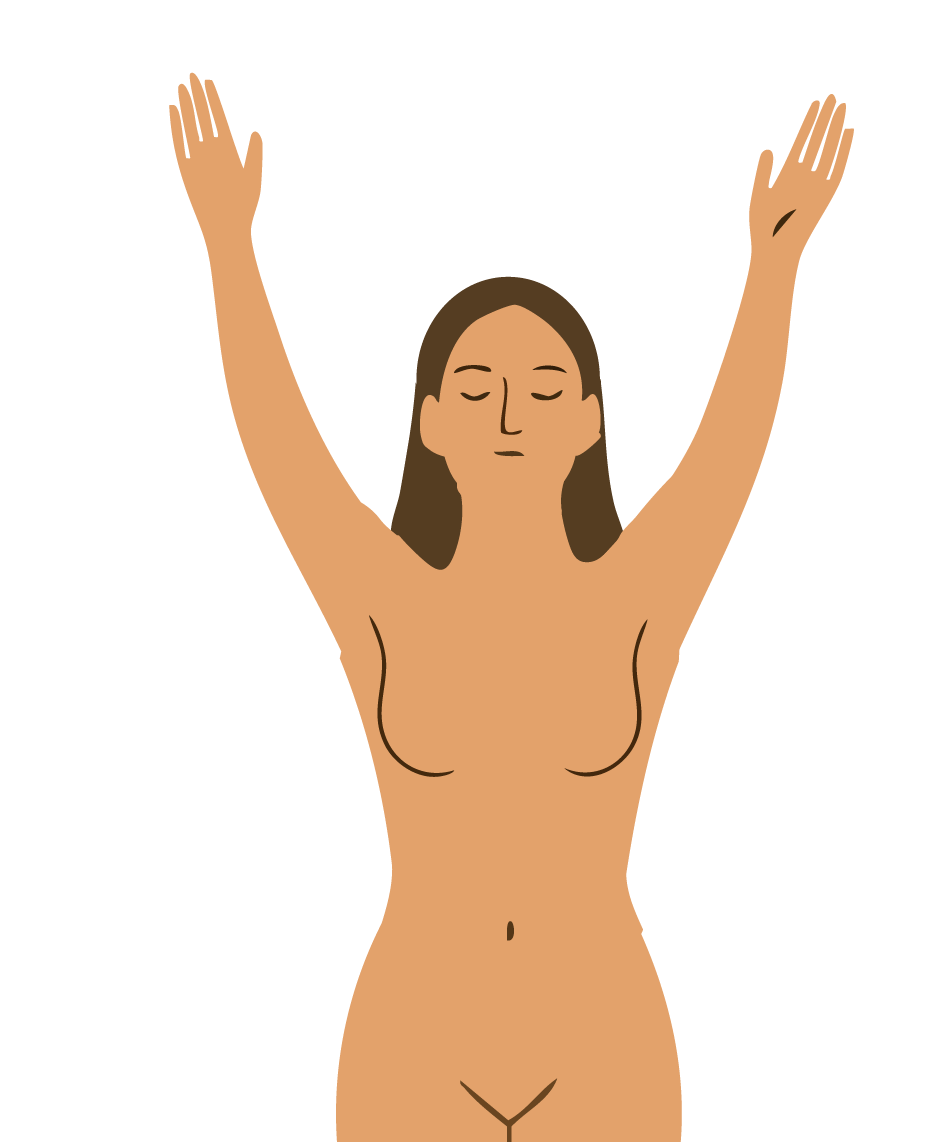
Regulation is the capacity to move through changing levels of activation and rest while retaining enough flexibility for perception, relationship, recovery, and choice. In everyday language, people often use regulation to mean calmness. A more useful definition includes mobilization, settling, expression, connection, protection, and the ability to return after disruption.
In brief
Regulation is not the absence of strong feeling. A person can be angry, excited, grieving, or alert and still remain capable of noticing, communicating, adapting, and choosing. Nor is stillness proof of regulation. Someone may look calm while dissociated, shut down, frightened, or complying. The visible body does not tell the whole story.
Regulation is shaped by physiology, learning, relationship, environment, sleep, pain, illness, disability, culture, and material conditions. It can be supported through movement, rhythm, breath, social connection, sensory adaptation, rest, language, predictable structure, and professional care. No single technique works for every body.
Regulation is not suppression
Suppression attempts to remove, hide, or disallow an experience. Regulation allows information to remain present while reducing the likelihood that the person or others will be harmed by an automatic response. A regulated person may still set a firm boundary, cry, leave, speak loudly, or refuse a demand. The question is not whether emotion is visible. It is whether action remains connected to awareness and consequence.
Social norms can disguise suppression as maturity. A workplace may reward people who never show fatigue. A family may call silence respect. A spiritual community may call grief a low vibration. A practitioner may praise a participant for staying in an exercise while ignoring that the person has become numb. Sensual ethics must ask what the calm is costing.
State and capacity
Attention, memory, social perception, and decision-making are affected by bodily state. Under threat or overload, the field of attention may narrow and the range of available actions may shrink. After prolonged stress, a person may have difficulty resting even when danger has passed. These patterns are not proof of a particular diagnosis, but they are reasons to design environments with flexibility and choice.
Capacity is also relational. A trusted person, clear information, accessible space, predictable timing, or the ability to leave can change what becomes possible. Co-regulation is not one person controlling another’s state. It is the way people and environments can support orientation, safety, and recovery through relationship.
Recovery is part of regulation, not an afterthought. A person may need quiet after social contact, food after exertion, movement after sitting, or several days to recover from a demanding event. A culture that values only performance can make recovery invisible and then call the resulting exhaustion a personal weakness.
Regulation and sensuality
Sensuality depends on enough regulation to receive experience without being immediately flooded or cut off. A person may need a manageable level of activation to feel pleasure, curiosity, attraction, or creative energy. Too little activation can feel flat; too much can make contact painful. The useful range differs by person and context.
This does not mean that sensuality should aim for a permanent middle zone. Aliveness includes peaks, grief, surprise, risk, and intensity. The capacity is not to remain moderate. It is to move through intensity without losing all choice, and to recover without treating recovery as failure.
For some people, regulation begins with reducing demand rather than adding a technique. A quieter room, a clear boundary, medication review, practical help, or an accessible schedule may matter more than a new exercise.
Breath, movement, and sensory practice
Breathing, movement, pressure, temperature, sound, rhythm, visual orientation, and touch can influence how a person feels. They should be offered as options, not universal commands. Deep breathing can help one person and increase panic or dizziness in another. Closing the eyes can support rest and reduce orientation. Slow movement can settle one body and frustrate or hurt another.
Evidence for many popular nervous-system practices is mixed, and terms such as vagal tone, trauma release, and nervous-system reset are often used more broadly than research supports. A practice can be meaningful without its strongest biological claim being established. Good teaching names what is observed, what is hypothesized, and what remains uncertain.
In practice
Regulation-supportive settings make choices visible. Participants can change posture, keep their eyes open, reduce sensory input, move, pause, decline touch, ask questions, or leave. A facilitator uses plain language and checks understanding. They do not interpret shaking, tears, stillness, heat, or calmness as proof that a hidden process has been completed.
Persistent panic, dissociation, severe insomnia, suicidal thoughts, significant functional change, trauma symptoms, or medical concerns require appropriate clinical assessment. Coaches and educators can support observation and environmental adaptation within scope; they should not present sensory exercises as treatment or promise nervous-system transformation.
It is also useful to build regulation into the structure before distress appears: predictable transitions, clear agendas, accessible exits, breaks, options for communication, and a culture in which asking for less stimulation is ordinary. Prevention is often less dramatic and more effective than trying to recover after a person has exceeded capacity.
Sensuality as human capacity
Regulation develops flexibility, interoceptive awareness, relational presence, and the capacity to remain in contact with reality under changing conditions. Competent functioning includes mobilizing when action is needed, settling when rest is possible, recognizing overload, asking for support, and recovering after disruption. The capacity can be constrained by chronic stress, pain, poverty, unsafe relationships, inaccessible environments, illness, neurodivergence, or cultural punishment of bodily expression.
The Institute of Inner Technology’s writing on stress, safety, and the capacity to think offers a direct conceptual bridge: judgment cannot be separated from the state in which attention and memory are operating.
What this changes
Regulation gives sensuality a more honest relationship with safety. Pleasure does not require permanent calm, and calm does not prove safety. The goal is flexible contact: enough capacity to notice what is happening, enough support to remain present, and enough agency to choose what comes next.
The next useful entries are interoception, sensory overload, safety, attention, breath, and rest.
Related entries
interoception, sensory-overload, safety, attention, breath, rest, embodiment.