
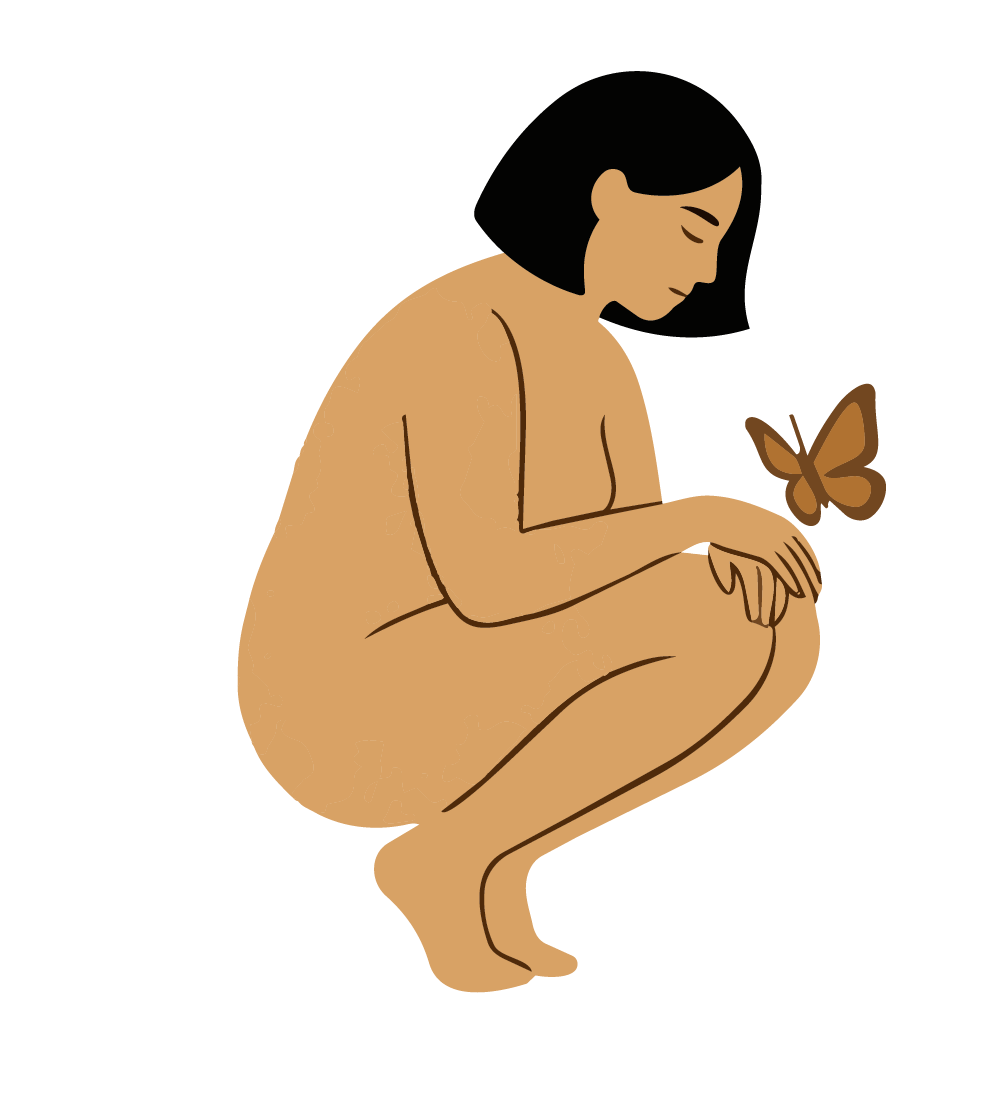
A memorial is an object, place, practice, image, archive, building, landscape, or work that carries remembrance. It may honour a person, community, event, loss, struggle, achievement, or value. Memorials can be public or private, permanent or temporary, monumental or ordinary.
Memorials are sensual because they give memory material form. Stone, metal, water, plants, sound, light, names, photographs, clothing, food, and the arrangement of space invite bodies to encounter the past. A memorial does not contain memory by itself; people create meaning through how they approach it.
Memorial and grief
A memorial can offer a place for grief to gather. It may help people speak with the dead, meet others who remember, or mark a loss that has not been publicly recognised. Its presence can say that this life or event mattered.
Memorials do not resolve grief. A person may feel comfort, anger, distance, or nothing in their presence. No one should be required to visit, touch, speak, or perform reverence.
Memorial and place
A memorial changes a place by directing attention. It may create a site of pause, gathering, education, protest, or care. The design affects who can approach, how long they can stay, and what the body encounters.
Memorial spaces need access, seating, shade, quiet, routes for movement, and information in different forms. Accessibility is part of respect for the people whose memory the memorial carries.
Memorial and memory
Memory is never complete. A memorial selects names, images, dates, language, and stories. These choices can preserve knowledge while also shaping what is forgotten.
A living memorial allows new evidence, voices, and interpretations to enter. Changing a plaque, adding a name, correcting an account, or creating another memorial need not erase the past. It can make the record more honest.
Memorial and recognition
Recognition can restore a person or group to public visibility. Naming people who were excluded from official history can challenge the idea that only some lives deserve collective mourning.
Recognition should not reduce a person to their death or suffering. A memorial can include work, pleasure, relationships, humour, beauty, and ordinary life. The remembered person remains more than the event that ended or marked their life.
Memorial and power
Public memorials often reflect the priorities of institutions and dominant groups. A monument may celebrate authority while ignoring the people harmed by it. Deciding what remains in a public place is a political act.
Communities can question, relocate, reinterpret, or add to memorial landscapes. The goal is not always to destroy a difficult object. Sometimes contextualisation makes the history visible; sometimes removal is necessary for safety and dignity.
Memorial and body
People encounter memorials through movement, posture, sound, weather, touch, and time. A memorial may invite kneeling, walking, sitting, placing objects, or standing together. These gestures can be meaningful when they are chosen.
Some bodies experience memorial spaces as overwhelming or unsafe. A person may need distance, a quiet route, a companion, or the choice to remember elsewhere. The memorial should not become a test of devotion.
Memorial and repair
Memorials can support repair when they are connected to truth, accountability, restitution, and changed conditions. A public name does not compensate for ongoing harm. Remembrance becomes more credible when it guides present action.
Those represented should not be treated as symbolic resources for an institution’s reputation. Families, descendants, survivors, and affected communities deserve meaningful authority over the memorial’s form and maintenance.
Memorial and sensual life
Private memorials may live in a garment, scent, recipe, song, room, garden, photograph, object, or repeated gesture. These forms allow memory to remain intimate and changeable. A person may create a sensual relationship with loss without explaining it publicly.
Memorial pleasure is not disrespect. Eating a favourite food, dancing to a remembered song, or enjoying a place connected to someone can keep love and life in contact with grief.
Memorial and witness
A memorial can ask people to witness what happened rather than look away. This witnessing should not turn suffering into spectacle. Context, privacy, consent, and the control of affected communities are essential.
Some memories are carried through silence or absence. A memorial does not need to display every detail to be truthful. What remains private can still be honoured.
Memorial and living memory
A memorial is maintained by living people. Its flowers, repairs, names, archives, gatherings, and changing interpretations keep it in relationship with the present. Maintenance is a form of care and often an invisible labour.
Living memory allows descendants and new witnesses to ask different questions. A memorial can become more accurate without becoming less faithful to those it honours.
Memorial and access
A memorial should be reachable by different bodies and ways of perceiving. Physical access, seating, shade, audio, tactile elements, captions, plain language, and quiet options affect whether remembrance can be shared.
Emotional access matters too. Content warnings, private areas, and the option to leave allow a person to approach memory without being overwhelmed or publicly exposed.
Memorial and renewal
A memorial can point toward a future by linking remembrance to care, education, ecological protection, justice, or changed institutions. It should not ask people to mourn the same harm forever while accepting its repetition.
Renewal may involve adding names, changing language, moving an object, creating a garden, or building a new relationship with the site. Memory remains alive when it can guide action.
The future does not replace the past; it is one of the places where remembrance becomes accountable.
A cared-for memorial helps people meet history without surrendering the possibility of a living present.
Its meaning grows through use, care, and honest conversation.
It remains open to the people who inherit its questions.
Questions keep memory alive together.
What this changes
A memorial becomes a living arrangement of memory, body, place, and responsibility. It can support grief and recognition while remaining open to new voices, accessibility, repair, and the complexity of the lives it represents.
The next useful entries are commemoration, memory, grief, place, recognition, and care.
Related entries
commemoration, memory, grief, place, recognition, care, ritual.