
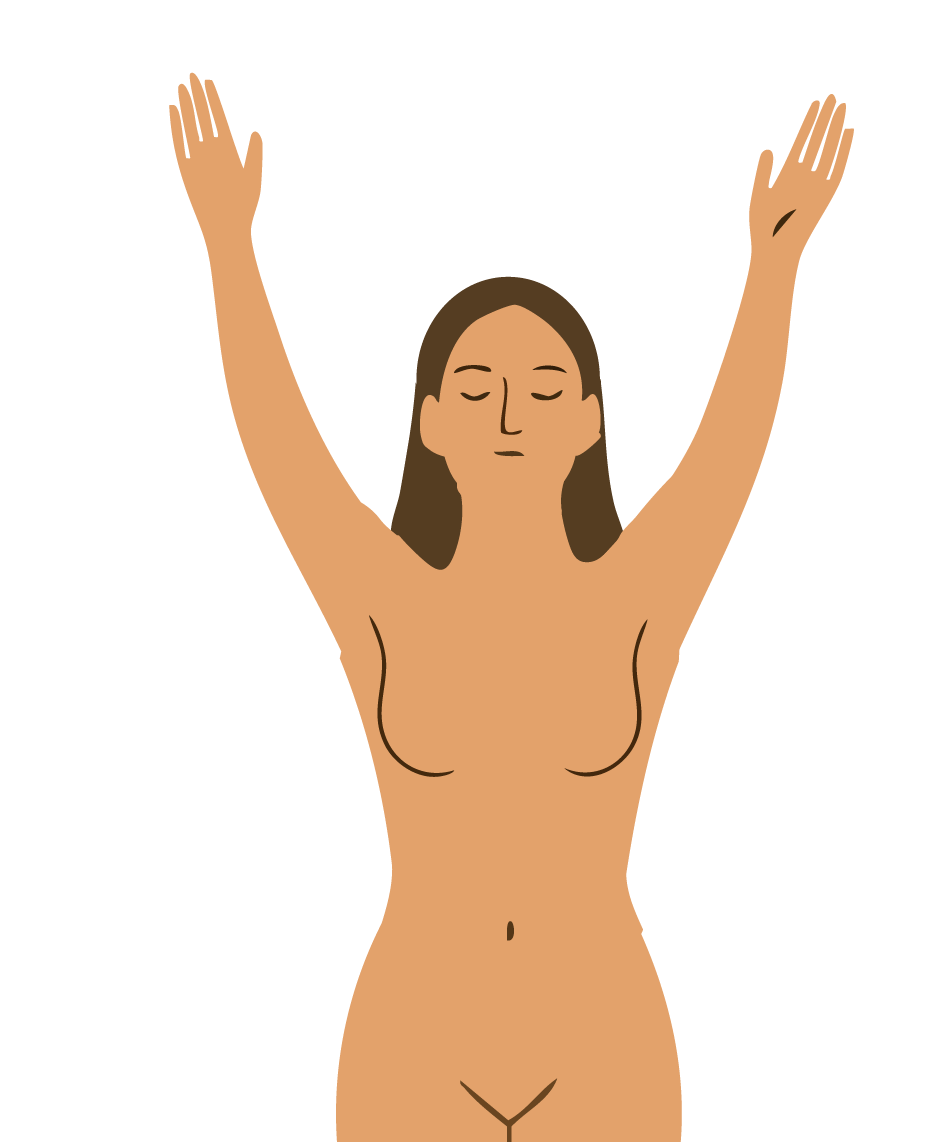
Ceremony is a shared practice that marks meaning, transition, memory, belonging, commitment, grief, celebration, or change. It may use words, silence, movement, clothing, food, music, objects, touch, architecture, or the arrangement of bodies in time and space.
Ceremony is sensual because it gathers perception into a form. A sound, gesture, colour, scent, or rhythm can help a person feel that something important is happening. The meaning is not contained only in the symbol; it is created through participation, memory, and relationship.
Ceremony and ritual
Ritual is repeated practice; ceremony is often a ritual made visible as a shared event. The distinction is not fixed. A private act can become ceremonial, and a public ceremony can lose meaning through repetition without attention.
Both forms create thresholds. They help people move from one condition to another, recognise what has changed, and carry a value forward. Their power depends on whether participants understand and choose the form.
Ceremony and the body
Ceremony gives bodies a way to participate through voice, movement, stillness, touch, dress, food, and proximity. Not everyone participates in the same way. A person may observe, use an alternative gesture, remain seated, or contribute through preparation.
Embodied ceremony is accessible when sensory conditions, mobility, communication, and privacy are considered from the beginning. Accommodation is not a disruption of the meaning. It is part of making shared meaning possible.
Ceremony and transition
Birth, coming of age, partnership, separation, mourning, migration, recovery, leadership, and return may all be marked through ceremony. The form can help the body recognise a change that language alone cannot contain.
A ceremony cannot force a transition to feel complete. It can offer a container while the person continues to change. The participant decides what the event means and whether the meaning remains useful.
Ceremony and belonging
Shared forms can tell people that they are part of a history and a future. Singing, eating, walking, gathering, or witnessing can create connection across difference. Belonging grows when participants can influence the form rather than merely repeat a script.
Ceremony becomes exclusionary when membership is conditional on one identity, belief, body, or style of expression. A group can preserve meaningful boundaries while offering more than one way to participate.
Ceremony and consent
Participation should be informed and voluntary. People need to know what will happen, what will be shared, whether touch or disclosure is involved, and how to step out. Mystery can have a place, but secrecy should not be used to bypass consent.
Consent also applies to photographs, stories, names, bodies, and cultural forms. A participant’s presence does not automatically authorise documentation or public interpretation.
Ceremony and culture
Ceremonies carry knowledge about place, ancestry, values, labour, and relationship. Approaching a ceremony from another culture requires humility and context. A beautiful form should not be detached from the people and history that give it meaning.
Living traditions can change. People within a culture may debate authority, adapt a practice, or create a new form. Respect does not require treating culture as frozen, but it does require listening to those who carry it.
Ceremony and power
Ceremony can legitimise authority. Titles, clothing, architecture, music, and formal speech may help coordinate a group, but they can also make hierarchy feel natural. Participants should be able to distinguish symbolic respect from unquestionable obedience.
Leaders who create ceremony should make accountability visible. No spiritual, cultural, erotic, or political atmosphere should be used to excuse coercion or silence.
Ceremony and grief
Grief ceremonies give loss a place in collective life. They may include tears, laughter, food, music, story, silence, touch, or movement. The body can mourn through forms that do not look solemn to an outsider.
Grief does not end when the ceremony ends. A meaningful event can support mourning without prescribing its duration or emotional shape.
Ceremony and preparation
Preparation is part of the ceremony’s meaning. Gathering materials, cooking, choosing clothing, learning words, arranging space, or making access plans can create anticipation and distribute responsibility.
Preparation should not be hidden labour assigned to the same people every time. Shared ceremony becomes more caring when planning, hosting, cleaning, emotional support, and follow-up are recognised and distributed.
Ceremony and participation
Not everyone needs to take the central role. A person may witness, welcome, translate, make music, prepare food, hold silence, or leave an offering. Different forms of participation can carry equal meaning.
People who cannot attend may still be included through a message, object, recording, or private act, when documentation is consented to. Absence does not always mean lack of belonging.
Ceremony and repair
Ceremonies can be revised when they exclude or harm. A group may need to acknowledge what was missing, return authority to affected people, change the script, or create a different form altogether.
Repair may be ceremonial, but it must also be practical. A beautiful acknowledgement without changed conditions can become another performance.
When ceremony is revised with honesty, the form can become a record of learning rather than a monument to old authority.
Ceremony and pleasure
Some ceremonies make pleasure legitimate by giving it time, attention, and shared language. Food, music, beauty, movement, and touch can honour life without becoming spectacle. Pleasure may be devotional, playful, restful, or quietly receptive.
No one should have to display pleasure to prove participation. The right to observe or remain private protects the meaning of the event for different bodies.
Ceremony can hold intensity and quiet at the same time, allowing each person to meet the shared moment without abandoning their own pace.
This flexibility is part of its welcome.
It lets meaning remain embodied and shared.
It can hold difference without dissolving connection together.
What this changes
Ceremony becomes a shared sensory practice of making meaning. It can honour transition, belonging, grief, pleasure, and memory while remaining accessible, voluntary, culturally accountable, and open to change. The form matters because bodies meet one another through it.
The next useful entries are ritual, community, belonging, transition, consent, and celebration.
Related entries
ritual, community, belonging, transition, consent, celebration, grief.