Relational Life

Relational Life in the Sensual Encyclopedia explores this field through sensuality, embodiment, human experience, and practical meaning.

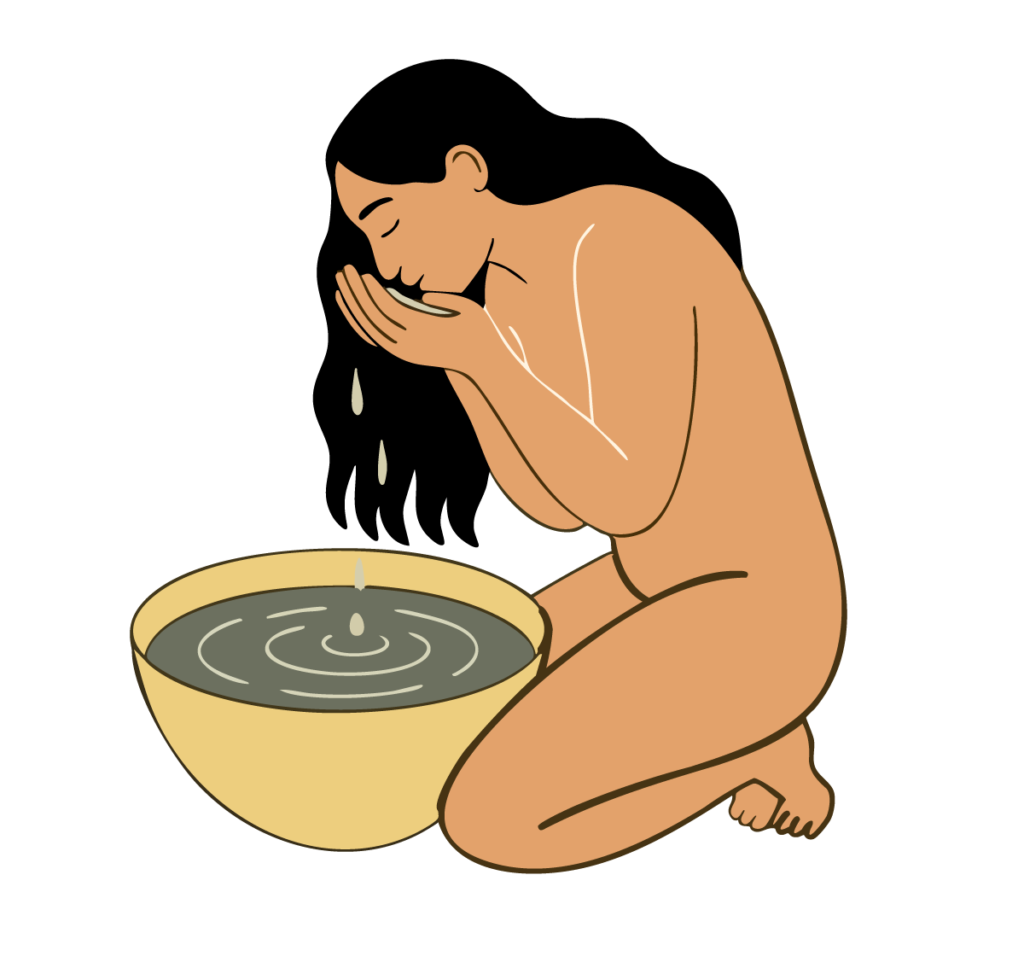
Dignity

Dignity is not something granted by status, beauty, productivity, health, or desirability. It is the ongoing recognition that a person remains a whole subject with worth, privacy, agency, and limits.

Equity

Equity is the work of responding to unequal conditions so that people can access dignity, safety, resources, and participation. It is not treating everyone identically.

Recognition

Recognition is more than being noticed. It is the experience of having one’s reality, identity, limits, and contribution taken seriously without being reduced to a category or performance.

Representation

Representation is not only about visibility. It shapes what people imagine is possible, whose body is treated as complex and desirable, and who is expected to explain or defend their humanity.

Visibility

Visibility is not automatically recognition or safety. Being seen can affirm existence and belonging, but ethical visibility must remain chosen, contextual, and compatible with privacy.

Expression

Expression is how inner experience takes form in the world. It may be verbal, physical, artistic, relational, or quiet, and it becomes ethical when the person retains agency over its meaning and limits.

Receiving

Receiving is the active capacity to let something reach you while remaining connected to choice. It can involve pleasure, care, knowledge, touch, support, and attention without creating an obligation to give access in return.

Attunement

Attunement is responsive attention to another person’s changing state. It is not mind-reading or permanent harmony; it is the practice of noticing, checking, adapting, and repairing.

Resonance

Resonance is the felt sense that something connects, vibrates, or matters between people and environments. It can deepen intimacy, but it is not proof of sameness, truth, or permission.

Co-regulation

Co-regulation is the relational process through which people help one another remain oriented, connected, and able to respond. It is support, not control, and it does not make one person responsible for another’s entire nervous system.

Do you prefer to listen?

If you prefer to listen, many of these themes are also explored through voice in the Sensual Institute podcast, where spoken reflections and audio transmissions offer another way to meet the material.

Reading engages the mind; listening allows the body to receive the same ideas through a different channel.

Both belong to the same body of work.

They simply meet you differently