Practices, Rituals & Inner Development

Explore repeatable practices, contemplative disciplines, rituals, reflective methods, and everyday experiments for cultivating presence and inner development.

Bathing

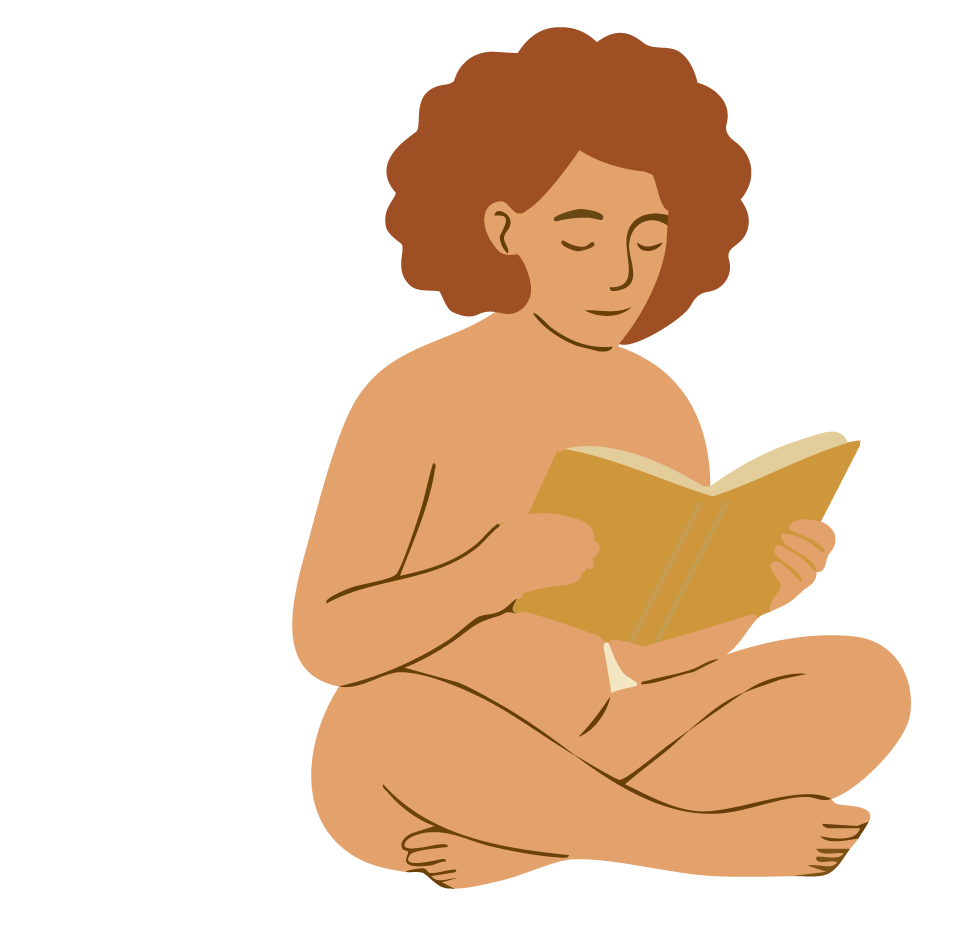
Bathing is often treated as a small domestic act: get clean, feel better, move on. That is too small. Bathing is hygiene, yes, but it is also contact with water, temperature, skin, privacy, time, and dignity. It is one of the places where the body is not asked to perform anything

Depth

Depth describes the layers, duration, and significance an experience can hold. It may include intensity, but it can also be quiet, gradual, repetitive, and ordinary.

Massage

Massage is not simply pleasant pressure. At its best, it is structured touch: intentional, consent-based, trained, bounded, and responsive to the body in front of the practitioner. It belongs to the history of care as much as to the marketplace of relaxation.

Embodied Ritual

Ritual gives repeated actions a felt and symbolic shape. Embodied ritual can support attention, identity, grief, pleasure, and transition when it remains meaningful, chosen, and open to change.

Walking

Walking is locomotion, exercise, and transportation, but it is also a way of thinking with the body. At human pace, the world arrives through rhythm: footfall, breath, temperature, sound, distance, and changing light.

Body Awareness

Body awareness is not body obsession. It is the ability to notice bodily signals clearly enough to respond with more intelligence, care, and freedom.

Breathwork

Breathwork begins with a strange human fact: breathing is automatic, but it can also be chosen. The breath belongs to the body without asking permission, yet attention can enter it and change its rhythm, depth, pace, and meaning.

Play

Play is a mode of voluntary participation in which curiosity, movement, imagination, pleasure, and experimentation become more important than a fixed productive result.

Centering

Centering is the practice of returning attention, breath, posture, and intention to a felt point of orientation. It is not the same as becoming calm. A person can be centered and still feel grief, anger, attraction, pressure, or uncertainty.

Imagination

Imagination is not an escape from reality. It is the capacity to let absent, possible, remembered, or alternative worlds become available to perception and choice.

Do you prefer to listen?

If you prefer to listen, many of these themes are also explored through voice in the Sensual Institute podcast, where spoken reflections and audio transmissions offer another way to meet the material.

Reading engages the mind; listening allows the body to receive the same ideas through a different channel.

Both belong to the same body of work.

They simply meet you differently