
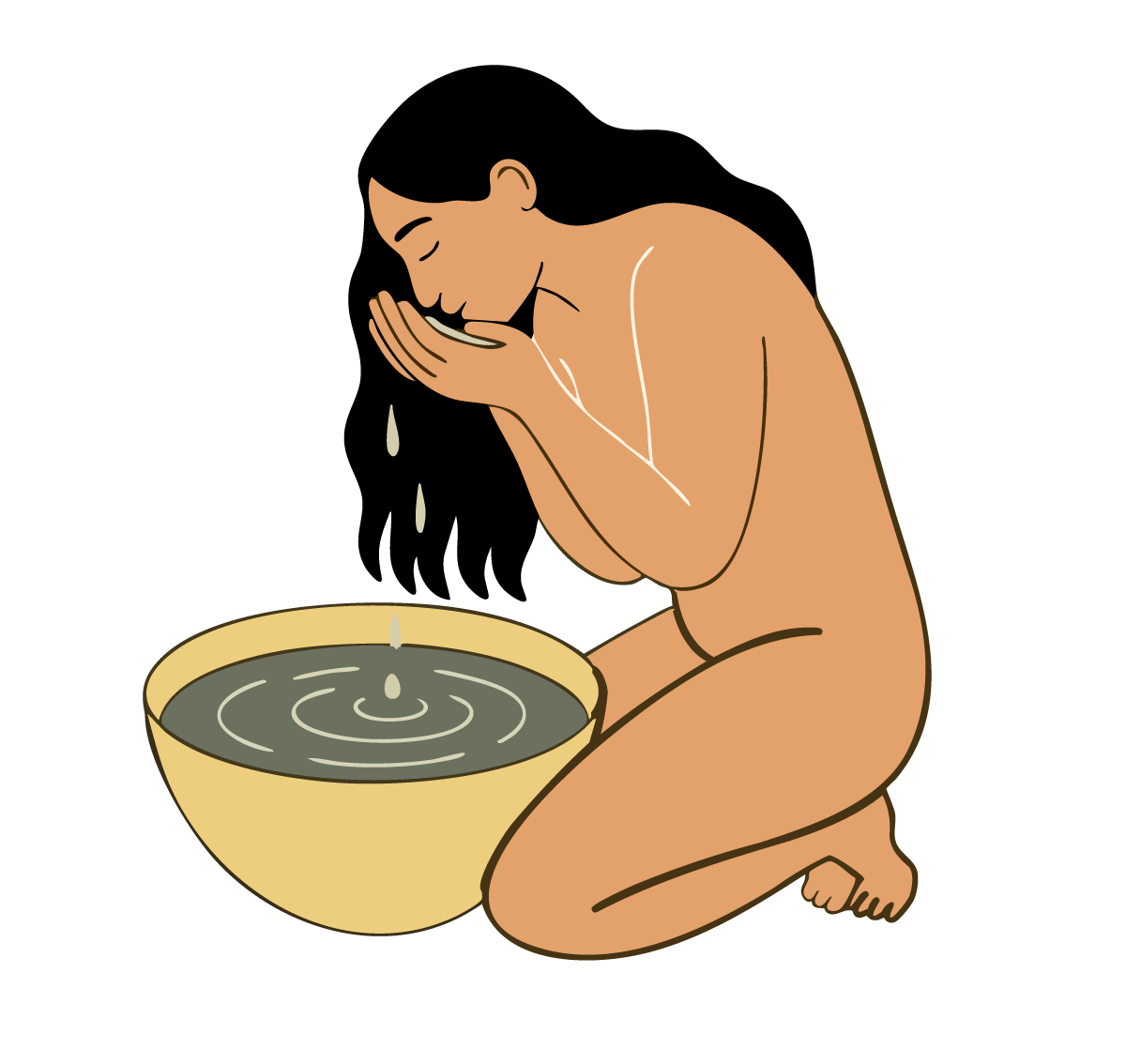
Beauty is the power of form, presence, relation, or meaning to call forth attention, pleasure, wonder, reverence, longing, or care. It is not the same as prettiness. Prettiness often pleases without disturbing anything. Beauty can rearrange the field.
Beauty is not only appearance
The shallow version says beauty is how something looks. The deeper truth is stranger. Beauty can appear in a face, a theorem, a ruined wall, a melody, a gesture, a sentence, a landscape, a moral act, a scientific structure, a bowl of fruit, an aging hand, a storm, or a silence held at exactly the right moment.
Beauty is not always comfortable. Sometimes it softens. Sometimes it wounds. Sometimes it makes ordinary perception feel inadequate. You see something and the world is suddenly more than the world you were using a moment ago.
In brief
- Beauty is an aesthetic and sensual experience involving attention, pleasure, form, value, and meaning.
- It differs from prettiness, attractiveness, luxury, and social desirability.
- Philosophers debate whether beauty is subjective, objective, relational, cultural, or some unstable mixture.
- In sensuality, beauty trains perception toward value that cannot be reduced to utility.
The philosophical problem
Beauty has always troubled philosophy because it seems both intimate and shareable. A beautiful thing affects me here, in my feeling, perception, body, history, and taste. Yet beauty also reaches outward, asking for recognition. It feels as if the response is not merely private preference.
Kant described beauty through disinterested pleasure, while Hume turned toward taste, judgment, and the cultivated critic. Contemporary aesthetics keeps debating the relation between feeling, object, culture, form, and value. Good. Beauty should not be solved too quickly. Its resistance to reduction is part of its importance.
Beauty and sensuality
Beauty belongs to sensuality because it begins in perception and exceeds perception. The eye sees color, line, light. The ear hears tone. The hand feels texture. But beauty is not the data. Beauty is the event in which data becomes value.
This matters because cultures often weaponize beauty. Bodies are ranked. Women are disciplined. Race, class, age, disability, and gender become aesthetic hierarchies. Markets sell beauty as anxiety. The answer is not to abandon beauty. The answer is to liberate beauty from domination and return it to perception, dignity, relation, and wonder.
Beauty as attention training
Beauty teaches attention to stay. Not grasp. Stay. A painting, a face, a poem, a tree, a room, a movement – each can slow the system long enough for the world to become more precise.
That is beauty’s quiet rebellion against utility. It says: not everything valuable is useful in the narrow sense. Some things make reality more available. That is enough.
The Sensual Institute perspective
The Sensual Institute treats beauty as a sensual intelligence that can widen care. Beauty is dangerous when captured by status, possession, or objectification. But beauty is necessary when it restores reverence for bodies, places, art, ordinary life, and the living world.
Related entries
aesthetic-experience, pleasure, attention, aphrodite, gaze, objectification, sensuality.