
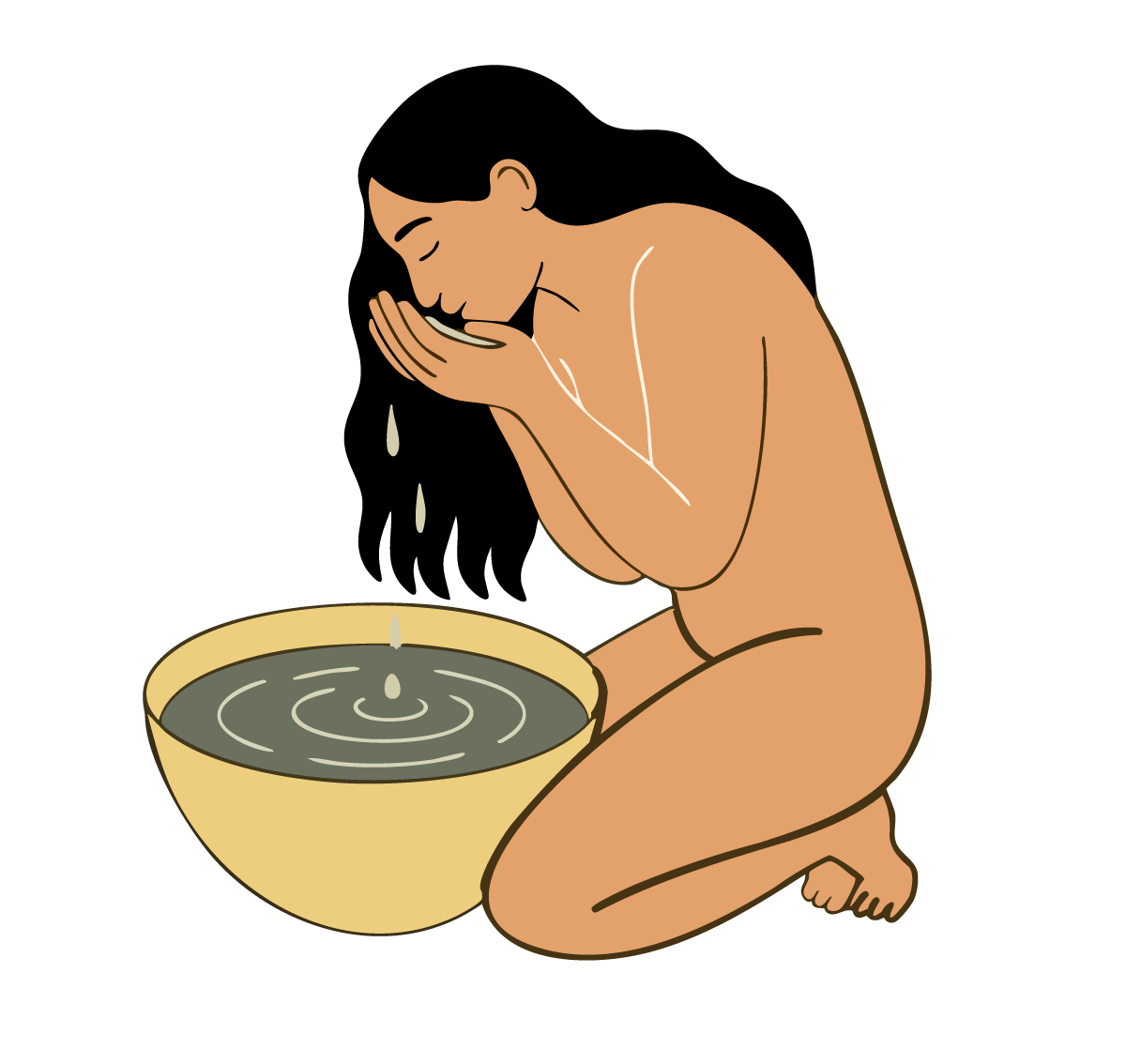
Privacy is the ability to control access to one’s body, information, space, image, time, relationships, and inner life. It is not the same as secrecy, shame, or isolation. Privacy creates a boundary within which a person can feel, think, change, rest, desire, recover, and decide what may become shared.
In brief
Privacy matters to sensuality because intimate experience becomes difficult when the body is always being watched, measured, interpreted, recorded, or made available. A person needs some control over who sees, touches, hears, photographs, diagnoses, or narrates them. Privacy can support pleasure, identity, creativity, grief, and the capacity to be unperformed.
Privacy is not an absolute right to conceal harm or avoid every form of accountability. It is a condition that must be balanced with safety, care, law, and relationship. The ethical question is who controls access, what information is necessary, what the consequences are, and whether the person can meaningfully refuse.
Privacy is not secrecy
Secrecy often describes information deliberately kept from others. Privacy concerns a person’s authority over access. A person may keep a medical detail private without being deceptive. A couple may have private experiences without hiding a betrayal. A participant may decline to share a story because the story belongs to them, not because they are ashamed.
Privacy becomes harmful when it is used to conceal violence, exploitation, or a conflict of interest. But the possibility of harm does not justify treating all private life as suspicious. Trustworthy systems define clear exceptions rather than making everyone permanently observable.
Bodily privacy
Bodily privacy includes clothing, nudity, touch, medical information, bodily functions, sexuality, reproductive decisions, movement, and the right not to be stared at or photographed. A person can be comfortable with one kind of visibility and not another. Public exposure is not consent.
Practitioners should explain when a body must be seen or touched for a legitimate professional purpose. They should use draping, privacy screens, chaperones where appropriate, clear language, and the least invasive method available. Curiosity is not a professional purpose.
Privacy and intimacy
Intimacy does not require total transparency. Relationships become safer when people can share voluntarily rather than being interrogated, tracked, or tested. A partner’s phone, journal, body, friendship, or private thought is not automatically available because the relationship is close.
Privacy can also protect desire. A person may need an inner space where fantasy, uncertainty, grief, or change can develop before being explained. The right to privacy is not a rejection of intimacy. It is one of the conditions under which intimacy can remain chosen.
Privacy can be negotiated differently in different relationships, but negotiation is not the same as permanent surrender. An agreement to share location or messages can be changed when circumstances change, and consent to access should not be obtained through jealousy tests or threats.
Privacy and technology
Digital systems collect intimate information through search, location, health data, images, messages, biometric signals, purchases, and patterns of attention. Sensual life can become data: desire inferred, bodies categorized, relationships targeted, and vulnerability used for persuasion. Consent forms are often too complex or too late to make access genuinely informed.
Digital privacy therefore includes design and governance. People need understandable explanations, meaningful choices, data minimization, security, deletion, access controls, and protection from discrimination. Individual caution matters, but it cannot replace responsible institutions and regulation.
People also need the right to be offline without losing essential participation. A private conversation, unrecorded gathering, or device-free period can protect attention and relationship from becoming continuous data production.
Privacy and identity
Identity information can be protective, affirming, or dangerous depending on context. A person may choose when to disclose gender, sexuality, disability, health, religion, migration status, or family history. Forced disclosure can expose them to stigma, violence, employment loss, or unwanted interpretation.
Privacy also includes the right not to be turned into a representative. A person can belong to a group without offering their story for education. Ethical practice asks whether information is necessary, who benefits from sharing it, and whether the person can withdraw permission.
Privacy and care
Care sometimes requires information. A clinician needs relevant medical details. A safeguarding professional may need to act on risk. A friend may need to know that a person is in danger. Privacy is not a demand that no one intervene. It is a demand that access be proportionate, purposeful, limited, and accountable.
Good care explains what will remain confidential and what cannot. It avoids promising absolute secrecy when there are legal or safety duties. Clarity can feel less intimate than reassurance, but it protects trust.
In practice
Privacy-supportive practice names what will be collected, observed, recorded, shared, stored, and deleted. Ask before photographing, quoting, recording, publishing, or contacting someone outside the agreed context. Make refusal possible without requiring a reason.
In group settings, confidentiality should be described as an expectation rather than a guarantee controlled by the facilitator. Establish agreements, limit unnecessary disclosure, and intervene when someone’s privacy becomes gossip or teaching material. Use appropriate data protection and safeguarding procedures.
When privacy must be limited for safety or law, explain the reason and the process as early as possible. A person deserves to know who will be told, what will be recorded, and what support is available afterward.
Sensuality as human capacity
Privacy develops agency, self-authorship, intimacy, boundaries, and the capacity to remain unperformed. Competent functioning includes deciding what to share, respecting another person’s access limits, asking for information proportionately, and recognizing when surveillance is shaping behavior. The capacity can be constrained by coercive relationships, digital extraction, poverty, crowded housing, medical paternalism, discrimination, or public exposure.
The Institute of Inner Technology’s work on attention, agency, and ethical judgment is relevant because systems that capture every signal can weaken the inner space in which a person notices desire, reflects, and chooses.
What this changes
Privacy makes sensuality possible without making it secretive. A person needs some part of life that is not immediately converted into content, proof, data, or access. The right to be unobserved is not a retreat from relationship. It is a condition for freely chosen relationship.
The next useful entries are bodily autonomy, consent, boundaries, intimacy, identity, and communication.
Related entries
bodily-autonomy, consent, boundaries, intimacy, identity, communication, agency.