
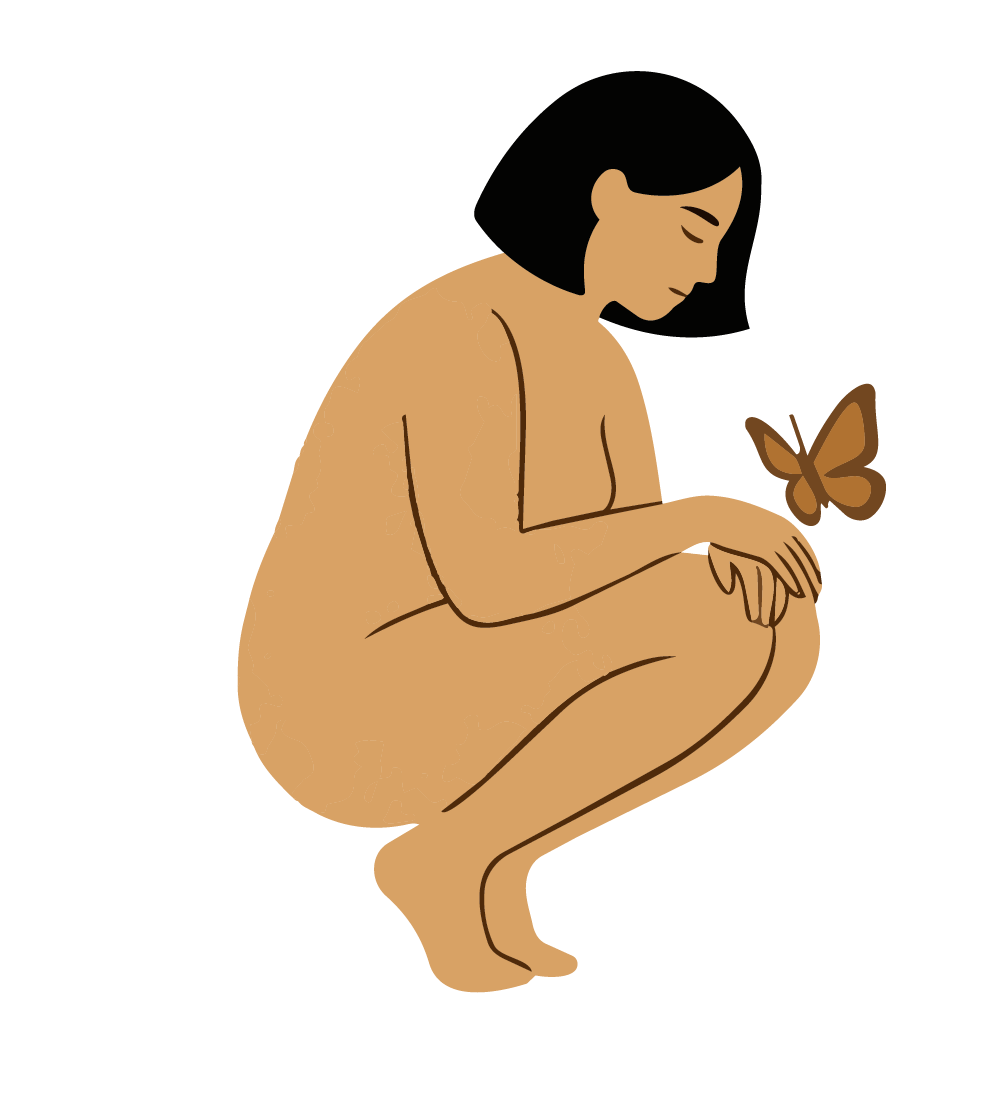
Meaning-making is the human process of interpreting experience, connecting it to memory and value, and deciding what it changes. It helps people understand a loss, a relationship, a body, a place, a work of art, a ritual, or a future. Meaning is not simply discovered like an object waiting to be picked up, and it is not freely invented without constraint. It develops through bodies, language, culture, relationship, history, and consequence.
In brief
Meaning-making matters to sensuality because sensation alone does not tell a person what an experience signifies. A smell can mean home, danger, longing, or nothing in particular. A touch can mean care, intrusion, habit, or farewell. The body receives; memory and culture help interpret; attention and agency decide how much authority the interpretation should have.
Meaning can support integration, but it can also become a form of denial. Not every painful event has a hidden gift. Not every illness is a lesson. Not every coincidence is a message. Ethical meaning-making allows uncertainty, honors material reality, and does not use meaning to blame a person for what happened.
Meaning begins in contact
Meaning is often described as an abstract story placed on top of an event. Lived meaning begins earlier, through contact. A person encounters warmth, loss, beauty, pain, a voice, a room, a boundary, or a change in the body. The experience becomes significant through attention and relation.
This is why sensory details can carry more meaning than explanation. The smell of a kitchen may hold family history. A garment may hold a relationship. A particular light may mark a life transition. The meaning is not contained entirely in the object. It is formed through repeated encounter and the person’s place within a wider world.
Meaning and memory
Memory provides continuity, but it also changes. A past event may mean one thing at twenty and another at fifty. New knowledge can alter an old story. A relationship can be remembered with tenderness and anger at the same time. Meaning-making does not require choosing one emotion as the official truth.
When memory is uncertain, meaning should remain provisional. A bodily response, dream, image, or sensory flash may be worth exploring without proving a specific event. Interpretive humility is a form of care, especially in therapeutic, spiritual, and family settings where authority can shape what a person comes to believe.
Meaning after loss
Loss can disrupt a person’s assumptions about identity, time, safety, future, and belonging. Meaning-making may involve new rituals, a changed relationship to a place, a reorganization of daily life, or a decision about what will be carried forward. The aim is not closure in the sense of making the loss disappear. It is a form of living that can include what has changed.
Meaning should not be forced on grief. A person may find purpose later, not at all, or in a form that does not sound inspiring. The demand to transform suffering can become another demand to perform wisdom for other people’s comfort.
Meaning and culture
People do not make meaning alone. Language, religion, family, art, gender, class, race, disability, migration, and political history shape which interpretations are available. A person may experience the same bodily sensation as sacred, pathological, ordinary, shameful, or beautiful depending on the cultural frame.
Cultural meaning can provide belonging and also impose limits. A tradition may help a person interpret desire, illness, aging, or death. It may also make some experiences unspeakable. Self-authorship does not require abandoning culture; it includes examining which inherited meanings remain life-giving and which reproduce harm.
Meaning and the body
Embodied meaning is not simply a thought about the body. It is the way a body becomes part of how a life is understood. A scar can be read as injury, survival, shame, beauty, history, or none of these. A change in mobility can alter a person’s experience of time, access, dependence, and identity.
Meaning-making should not override physical reality. A positive interpretation cannot make pain disappear, and a spiritual explanation cannot replace medical assessment. The body may need treatment, adaptation, rest, or practical support before a person has capacity for reflection.
Meaning, art, and ritual
Art and ritual give meaning a sensory form. A song, object, gesture, image, meal, or repeated route can hold what is difficult to say. Forms allow private experience to become shareable without becoming fully exposed. They can also provide a community with a way to remember and act together.
Forms are not neutral. A ritual can exclude. An image can stereotype. A story can make one person’s suffering symbolic for everyone else. Ethical meaning-making asks who gets to interpret, who is represented, and what consequences follow from the story.
In practice
A meaning-making practice can ask: What happened? What did I feel? What did I assume? What did this experience make more visible? What remains uncertain? What value do I want to carry forward? What action would honor that value without pretending the past was necessary?
Practitioners should avoid imposing meaning or treating resistance to a positive interpretation as pathology. In grief, trauma, illness, and identity work, the person’s pace and authority matter. Use referral and clinical support when distress is severe, persistent, dangerous, or beyond scope.
Sensuality as human capacity
Meaning-making develops integration, imagination, memory, self-authorship, and the capacity to remain in contact with complexity. Competent functioning includes creating interpretations that are useful without confusing them with facts, allowing more than one feeling, revising a story when reality demands it, and translating meaning into proportionate action. The capacity can be constrained by shame, propaganda, isolation, grief, cultural erasure, or systems that make experience too fast to metabolize.
The Institute of Inner Technology’s movement from content toward practice is directly relevant: meaning becomes developmental when it passes through contact, containment, differentiation, integration, and enactment rather than remaining an elegant idea.
What this changes
Meaning-making gives sensuality a way to remain human after sensation has passed. It asks what an experience becomes in memory, relation, identity, and action. The discipline is not to find the right story quickly. It is to make a story spacious enough for truth, uncertainty, grief, pleasure, and responsibility to coexist.
The next useful entries are memory, imagination, grief, ritual, self-authorship, and embodiment.
Related entries
memory, imagination, grief, ritual, self-authorship, embodiment, desire.