
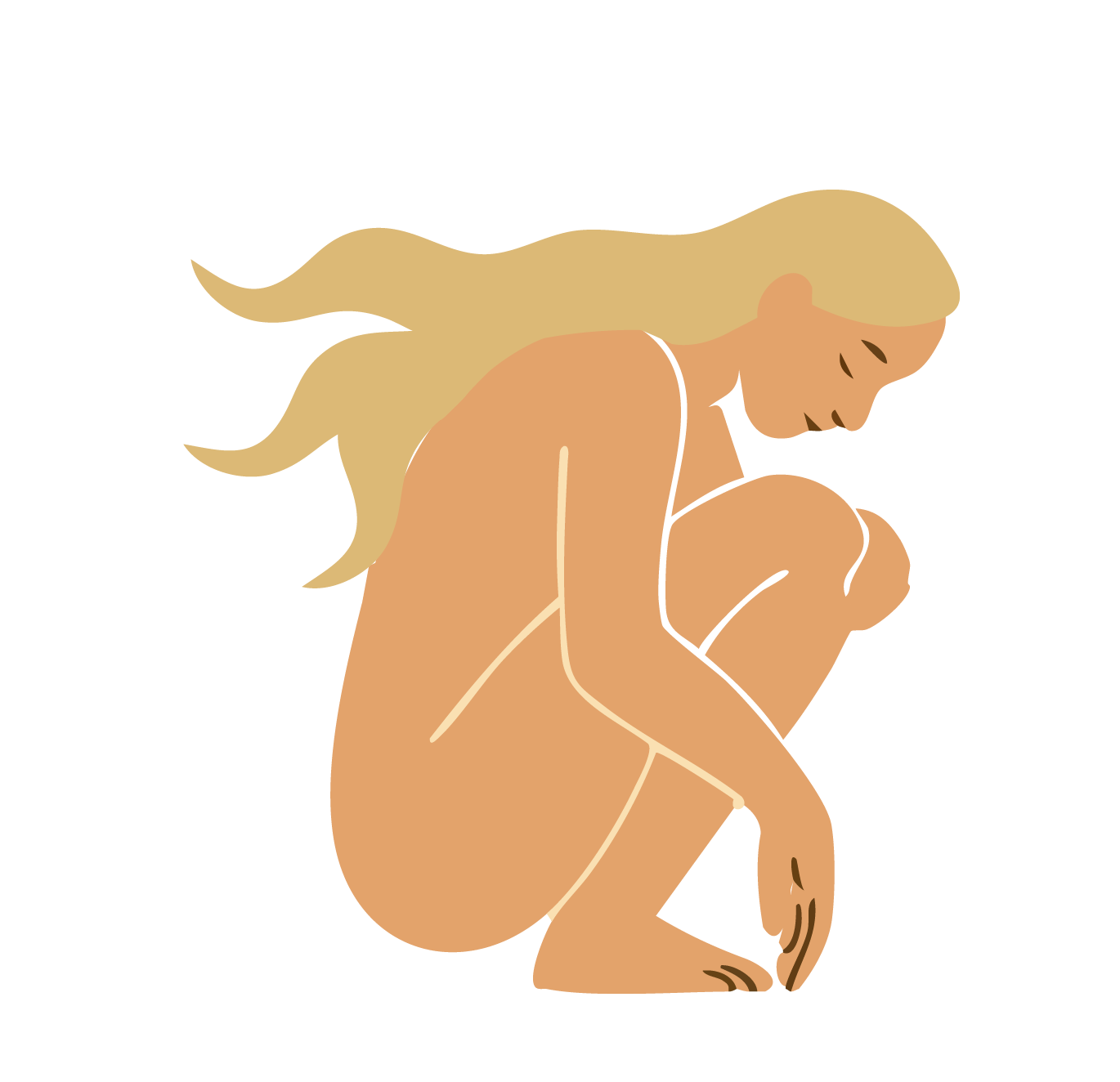
Breath is the living rhythm of respiration: air entering and leaving the body, oxygen exchange, voice support, emotional signal, and one of the most accessible doors into embodied attention. Breath happens automatically. It can also be noticed, shaped, held, rushed, softened, trained, or feared.
The rhythm already happening
You do not have to invent breath. It is already there, keeping the body alive while consciousness does other things. Then a moment arrives: anxiety tightens it, grief interrupts it, laughter releases it, desire changes it, singing uses it, rest deepens it.
Breath is ordinary and profound because it sits at the boundary between automatic physiology and voluntary participation. You can observe it. You can influence it. You cannot own it completely.
In brief
- Breath is a physiological process, sensory signal, and practice pathway.
- It is linked to interoception, voice, emotion, attention, posture, and nervous-system state.
- Breath practices can support awareness and regulation, but should not be framed as cure or treatment without evidence.
- In sensuality, breath is one of the body’s ways of revealing presence, tension, pleasure, and fear.
Breath as signal
Breath tells on the body. A shallow breath, held breath, sigh, gasp, laugh, moan, sob, yawn, hum, or long exhale can reveal state before language catches up. Breath is not always a problem to fix. Sometimes it is the body’s honest report.
This is why breath awareness can be useful. Not because controlling breath controls life. Because noticing breath gives the person a live signal of state.
Breath as practice
Many contemplative, vocal, athletic, and somatic traditions use breath as an anchor. Mindfulness may observe breath. Singing trains breath. Prayer rides breath. Dance organizes breath through movement. Breathwork deliberately alters patterns of breathing, sometimes gently and sometimes intensely.
Care matters. Some breath practices can be destabilizing for some people, especially when intense. A serious sensual field does not turn breath into magic. It treats breath as a powerful, ordinary, embodied pathway that deserves respect.
Breath, voice, and relation
Voice is breath made audible. The quality of breath shapes tone, volume, pacing, and expression. A conversation changes when someone finally exhales. A singer’s breath carries feeling before the lyric arrives.
The Sensual Institute perspective
The Sensual Institute treats breath as a hinge between body, attention, and expression. A single conscious breath does not transform a life. But it can widen the interval before the old pattern becomes the whole of reality. Tiny counts.
Related entries
interoception, body-awareness, voice, mindfulness, breathwork, presence, sensuality.